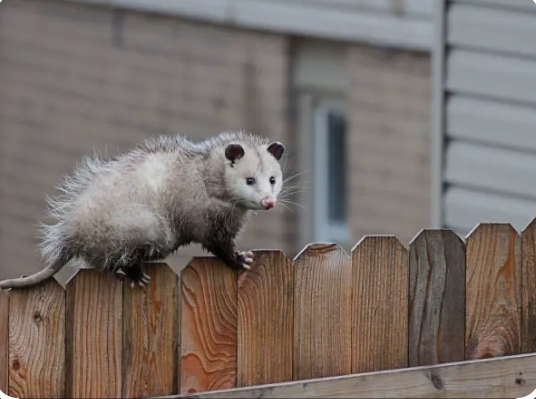
Have you been hearing scratching, thumping or running noises coming from your roof at night? There’s a good chance a possum has decided to make itself at home.
It’s a common problem for Melbourne homeowners, particularly in suburbs with established trees and older houses. While possums are an important part of Australia’s native wildlife, sharing your roof with one isn’t exactly ideal.
Naturally, one of the first questions homeowners ask is: How much does possum removal cost in Melbourne?
The good news is that professional possum removal is generally affordable, especially when the problem is identified early. However, the final price depends on several factors, including your property’s size, roof accessibility and whether entry points need repairing.
In this guide, we’ll explain typical Melbourne possum removal prices, what affects the cost, how professional removal works and why choosing an experienced possum catcher matters.
How Much Does Possum Removal Cost in Melbourne?
In 2026, possum removal in Melbourne typically costs between $280 and $500 for many standard residential jobs, although complex removal and roof-proofing work can cost more.
A straightforward job in a single-storey house will usually be cheaper than removing possums from a two-storey property with difficult roof access.
Here’s a general pricing guide.
| Possum Removal Service | Estimated Cost |
| Single-storey house possum removal | $280–$450 |
| Double-storey house possum removal | $320–$500 |
| Roof inspection and assessment | $80–$200 |
| Standard removal with entry-point proofing | $280–$600 |
| Extensive roof possum-proofing | $400–$900 |
| Roof cavity cleaning | $200–$500 |
These are indicative Melbourne and Victorian market estimates, not fixed prices or confirmed rates charged by Paul The Possum Catcher. Services may overlap, prices may exclude GST, and additional work may be quoted separately.
For an accurate quote, it’s best to speak with a professional who can assess your particular situation.
What Factors Affect Possum Removal Prices in Melbourne?
Not every possum problem is the same. Some are relatively simple to resolve, while others require additional time, equipment and repairs.
1. Size and Height of Your Property
Removing a possum from an easily accessible single-storey roof is generally less complicated than working on a double-storey home.
Taller buildings may require specialised access equipment and additional safety precautions, which can increase the overall cost.
2. Roof Type and Accessibility
Melbourne homes have a wide variety of roof designs, including tiled, metal and flat roofs.
Some roof spaces are easy to inspect. Others have narrow access points, steep pitches or difficult-to-reach sections.
The harder it is to locate the possum and safely access its entry points, the more labour may be involved.
3. Number of Possums
Sometimes there’s just one possum living in the roof. Other times, homeowners may discover more than one animal or signs of breeding activity.
A professional assessment helps establish what’s actually happening before removal work begins.
4. Entry Points and Roof Repairs
Possums can enter through broken tiles, damaged roof edges, gaps near eaves or other openings.
Simply removing the animal doesn’t necessarily solve the problem.
If the access points remain open, the same possum or another animal may move back in.
That’s why proper possum-proofing is an important part of achieving a longer-lasting result.
5. Urgency of the Job
After-hours or urgent appointments may cost more than standard scheduled services.
If you’re dealing with persistent noises or suspected roof damage, ask about availability and any additional call-out charges before booking.
Why Is Professional Possum Removal Worth the Cost?
It’s tempting to try handling a possum problem yourself, especially when you’re worried about spending money.
However, possums are native wildlife, and their management is regulated in Victoria.
Professional assistance can help ensure the situation is handled safely, humanely and in accordance with the relevant rules.
An experienced possum catcher can identify signs of activity, assess potential access points and recommend appropriate exclusion or removal methods.
Importantly, a proper assessment can also establish whether you’re actually dealing with a possum.
Rats, birds and other animals can create similar noises inside a roof cavity.
Paying for the correct solution from the beginning can save considerable frustration later.
Is Possum Removal Legal in Melbourne?
Yes, possum removal can be carried out legally in Melbourne, but there are important restrictions.
Under Victorian wildlife regulations, common brushtail possums living inside buildings may be managed under specific conditions.
Where a common brushtail possum is legally trapped, it must generally be released after sunset on the same property, within 50 metres of the capture location.
It cannot simply be taken to a distant park or bushland.
These restrictions exist because possums are territorial animals. Moving them into unfamiliar territory can expose them to stress, injury and competition with other possums.
Ringtail possums have different protections and must not be treated as though the same trapping permissions apply.
For homeowners, the safest approach is to seek advice from an appropriately authorised professional familiar with Victorian wildlife requirements.
What Happens During Professional Possum Removal?
If you’ve never booked a possum catcher before, you might be wondering what the process involves.
Although every property is different, professional possum management generally follows several steps.
Step 1: Inspecting the Property
The first step is identifying the source of the problem.
This may involve checking the roof cavity, looking for droppings, identifying entry points and assessing signs of animal activity.
Step 2: Choosing a Humane Solution
Once the problem has been identified, the appropriate removal or exclusion method can be selected.
The method must suit the species and comply with Victorian wildlife laws.
Step 3: Addressing Roof Entry Points
After confirming that animals are safely out of the affected area, accessible entry points can be sealed or repaired where included in the service.
It’s important not to close openings while possums or dependent young remain trapped inside.
Step 4: Preventing Future Problems
The final stage involves identifying conditions that could encourage possums to return.
Depending on the property, recommendations may include repairing roof gaps, managing access from nearby trees or installing a suitable possum nesting box.
A nesting box can provide an alternative shelter while keeping the roof cavity less accessible.
Can Possums Damage Your Roof?
Unfortunately, yes.
Although possums aren’t deliberately trying to damage your home, their presence can create problems over time.
Homeowners may experience:
- Loud scratching, thumping and movement during the night.
- Droppings and urine inside roof cavities.
- Disturbed or contaminated insulation.
- Damage around roof entry points.
- Unpleasant smells in affected areas.
- Additional maintenance or cleaning expenses.
Not every possum causes serious damage, but ignoring ongoing activity can make a relatively simple issue more expensive to resolve.
If you’re regularly hearing movement above the ceiling, arranging an inspection sooner rather than later is sensible.
How Can You Save Money on Possum Removal?
Nobody wants to pay more than necessary to solve a wildlife problem.
Fortunately, a few practical decisions can help keep costs under control.
Act early. Don’t wait months hoping the noises will disappear. Early investigation may prevent additional contamination or damage.
Ask for a clear quote. Find out whether the quoted price includes inspection, removal, proofing and any return visits.
Compare the actual services. A cheaper quote may cover removal only, while another includes repairs designed to prevent re-entry.
Ask about warranties. Some providers offer warranties on their roof-proofing work. Always check what is covered and for how long.
Choose experienced help. Correctly identifying the animal and its entry points reduces the risk of paying for ineffective work.
The cheapest initial quote isn’t always the best long-term value.
Why Choose Paul The Possum Catcher in Melbourne?
When something is moving around inside your ceiling, you want someone who understands the problem and can explain what needs to happen next.
Paul The Possum Catcher is a Melbourne-based possum control business whose website lists experience dating back to 1985.
For homeowners looking for assistance, that long-standing experience is a useful reason to make an enquiry.
Rather than guessing whether the problem is serious or attempting risky roof work yourself, you can contact Paul to discuss the noises, signs of activity and your property’s layout.
The aim is to understand the situation, determine the appropriate next steps and obtain a quote based on the work required.
Visit www.paulthepossumcatcher.com.au or call 0413 800 268 to enquire about possum removal in Melbourne.
Frequently Asked Questions About Possum Removal Cost Melbourne
1. What is the average cost of possum removal in Melbourne?
For many standard residential jobs, Melbourne possum removal costs approximately $280 to $500. Larger properties, difficult roof access and extensive proofing may increase the price. Request a property-specific quote for an accurate figure.
2. Is possum removal more expensive for double-storey homes?
Usually, yes. Double-storey properties can require additional access equipment and safety measures. Indicative removal prices commonly range from $320 to $500, although complex jobs may cost more.
3. Can I remove a possum from my roof myself?
Victorian rules allow certain limited activities involving common brushtail possums under specified conditions. However, wildlife welfare, species identification, safe roof access and legal requirements make professional advice a sensible choice.
4. Will a possum return after removal?
It can. Possums are territorial and may attempt to return to a familiar shelter. Correctly sealing roof entry points, after confirming the animals have safely left, is important for preventing repeat problems.
5. How long does possum removal take?
A straightforward inspection or exclusion job may be completed relatively quickly. However, trapping arrangements, animal activity, difficult access and roof repairs can mean the overall process requires more than one visit.
6. Does home insurance cover possum damage?
It depends on your insurance policy. Some policies exclude damage caused by animals, pests or gradual deterioration. Check your policy wording and speak with your insurer before assuming repairs are covered.
7. Do possum removal prices include roof repairs?
Not always. Some quotes cover inspection or removal only, while others include entry-point proofing. Ask for a written breakdown so you know exactly what’s included.
8. Is it legal to relocate a possum away from my Melbourne property?
A trapped common brushtail possum cannot be relocated to a distant location under the standard Victorian control rules. The usual release requirement is on the same property, within 50 metres of where it was captured.
Get a Quote for Possum Removal in Melbourne
Hearing possums in your roof can be frustrating, especially when they’re keeping you awake night after night.
But you don’t have to put up with the noise or guess how much the problem might cost to fix.
Understanding possum removal cost in Melbourne is the first step towards making an informed decision.
Whether you’re dealing with occasional scratching sounds or regular roof activity, professional advice can help you identify the problem and understand your options.
For assistance, contact Paul The Possum Catcher to discuss your property and request a quote.Call 0413 800 268 or visit Paul The Possum Catcher today.