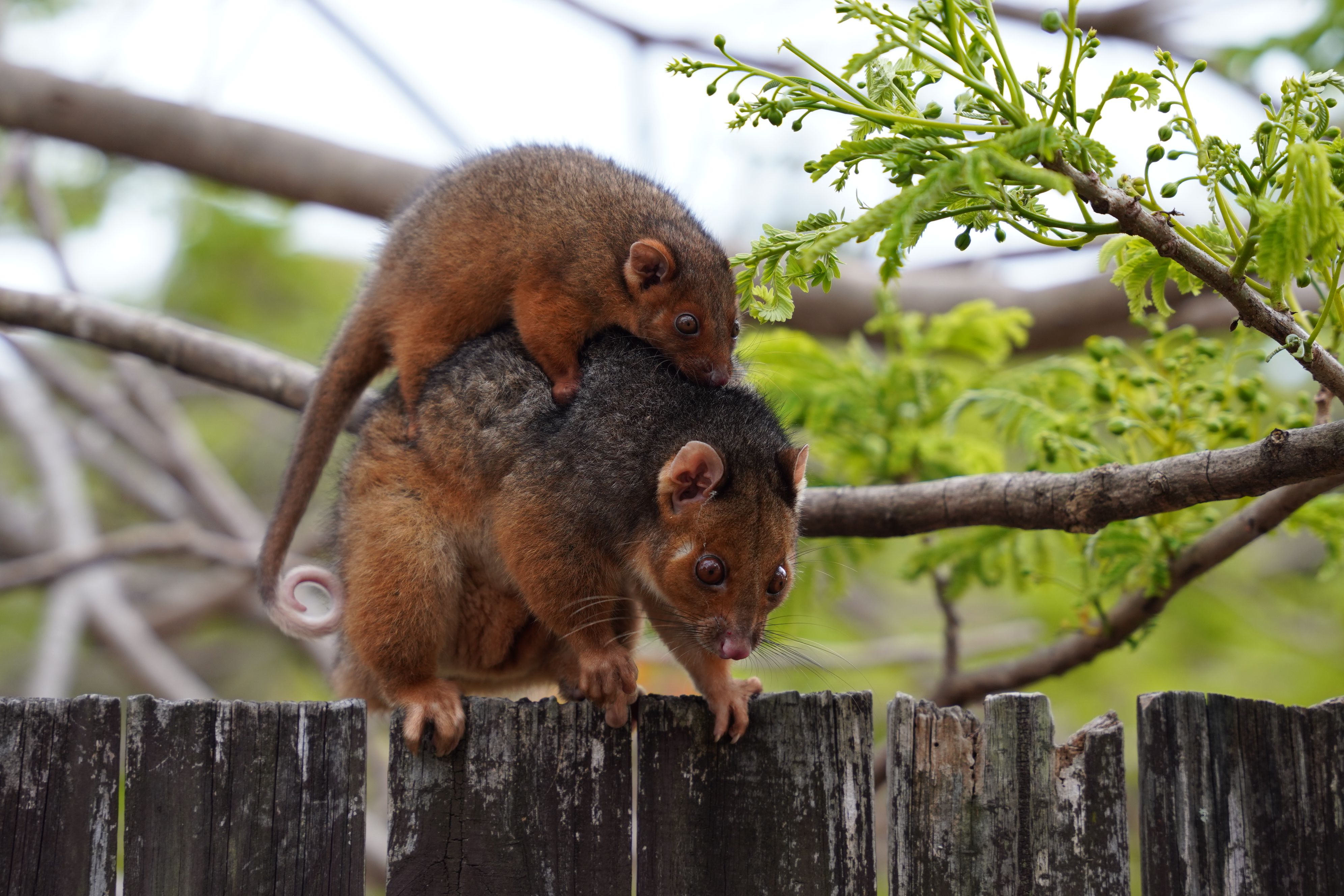
As winter approaches in Melbourne, homeowners often turn their attention to cleaning gutters, checking heaters and preparing their properties for colder, wetter weather. There is another important winter maintenance task that should not be overlooked: possum pest control in Melbourne
Possums naturally look for secure, sheltered places to rest, and roof cavities can provide exactly the kind of protected environment they need. A damaged tile, opening beneath an eave or poorly protected vent may be all it takes to provide access to your roof.
Once a possum starts using your roof space, you may hear heavy movement, scratching or thumping at night. Prevention is therefore much easier than waiting until an animal has established a den inside your home.
If you are preparing your property for winter, these seven practical maintenance measures can reduce potential entry points and help keep your roof secure.
1. Trim Trees and Branches Away from the Roof
Start your winter possum-prevention inspection in the garden.
Trees can provide possums with convenient routes onto roofs. Overhanging branches may effectively act as bridges, allowing an animal to move from a tree onto gutters, verandahs or roofing.
Inspect trees around your house and look for branches that:
- extend towards the roof;
- touch gutters or roofing;
- hang over a verandah or garage connected to the house; or
- provide an easy route onto another structure leading to the roof.
Where appropriate, prune branches to create separation between vegetation and the building. Victorian wildlife guidance recommends leaving at least a 1.5-metre gap around the roof when pruning branches used by possums for access.
Tree maintenance also has broader winter benefits. Removing unsafe or damaged branches can reduce the risk of them falling during strong winds and storms.
Large trees, branches near powerlines and difficult pruning jobs should be handled by a suitably qualified professional.
2. Inspect the Entire Roof for Damage
Your roof is your home’s primary barrier against both weather and wildlife, so a detailed roof inspection should form part of your seasonal maintenance routine.
Possums do not necessarily need an obvious, large hole to find their way into a vulnerable roof. Existing gaps and damaged areas can provide opportunities for entry.
Look for:
- displaced roofing materials;
- deteriorated flashing;
- openings around roof junctions;
- gaps where extensions meet the original building;
- damaged fascia boards;
- deteriorated timber; and
- obvious holes or openings into the roof cavity.
Pay particular attention to older sections of the house and areas that have previously required repairs.
If you cannot safely inspect the roof yourself, arrange for a roofing professional or possum-control specialist to assess it. Working at height can be dangerous, particularly when roofs are wet during Melbourne’s winter.
Importantly, never seal a suspected possum entry point until you are certain no possum is trapped inside.
3. Repair Broken, Loose or Missing Roof Tiles
Roof tiles deserve their own place on your maintenance list because even relatively localised damage can expose the roof cavity.
Melbourne’s changing weather, falling branches and general ageing can cause tiles to crack, shift or break. A damaged section may subsequently become an access point for a brushtail possum.
From a safe location, check for tiles that appear:
- cracked;
- broken;
- loose;
- displaced;
- missing; or
- noticeably different in position from surrounding tiles.
Do not assume that a small defect is harmless. Fixing roofing problems early can help with possum prevention while also protecting your property against rainwater and moisture.
If you hear activity in the ceiling near an area of damaged roofing, arrange an inspection before completing repairs. Sealing an occupied roof without providing a safe way for the possum to leave can create a much bigger problem.
4. Check and Secure Vents
Roof and wall vents are necessary for ventilation, but damaged or poorly protected vents can potentially become wildlife entry points.
Walk around the outside of your property and inspect accessible ventilation openings. Look for broken covers, loose fittings, damaged mesh or gaps around the edges.
Any protective material should be secure, durable and appropriate for its intended ventilation function. The objective is to prevent wildlife access without interfering with the airflow the vent was designed to provide.
This is particularly important for older homes where covers or screens may have deteriorated over time.
Make vent inspections part of your regular home-maintenance schedule rather than treating them as a one-off job. A fitting that was secure last winter may have become damaged during the year.
5. Inspect Chimneys and Flues
Chimneys are another part of the home that can easily be forgotten during a possum-proofing inspection.
Before winter, visually inspect chimney structures and the areas where they meet the roof. Look for damaged components, deteriorated masonry and openings that may provide access to sheltered spaces.
If a chimney requires a cap, guard or other protective component, make sure any installation is suitable for that particular chimney or appliance. Never improvise by blocking a functioning chimney or flue, as adequate ventilation and safe exhaust of combustion gases are essential.
If you are uncertain about the condition or safety of a chimney, engage an appropriately qualified professional.
Remember to inspect the base of the chimney as well. The issue may not be the chimney opening itself but a gap in the surrounding roof or flashing.
6. Repair Gaps and Damage Around Eaves
Eaves are one of the most important areas to inspect when undertaking possum control Melnbourne homeowners can incorporate into seasonal property maintenance.
Broken eaves and openings in timber or brickwork are recognised possum access points. Small areas of deterioration can become larger over time as timber ages, fittings move or weather takes its toll.
Walk around the perimeter of your house and inspect the underside of the roofline. Check for:
- broken or missing sections;
- rotting timber;
- loose panels;
- gaps between fascia and roofing;
- holes around pipes or cables; and
- previous repairs that have deteriorated.
Pay particular attention to dark, sheltered corners and sections of the house where extensions, verandahs or garages meet the main structure.
Repairing these vulnerabilities helps create a continuous physical barrier around the roof cavity.
Again, if there is evidence that a possum is already inside, do not simply close the opening. The animal needs to be able to exit safely before the access point is permanently secured.
7. Look for Early Warning Signs Before Winter
Physical maintenance is important, but observation can help you identify a problem before it becomes more difficult to manage.
Possums are primarily active at night, so unusual sounds after dark can be one of the first signs that an animal is using your roof.
Warning signs may include:
- heavy thumping or movement overhead;
- scratching sounds at night;
- noises concentrated around one section of the roof;
- visible damage near a possible entry point; or
- seeing a possum repeatedly travelling onto your roof after dark.
Keep in mind that noises in a roof are not automatically caused by possums. Rats and other animals can produce roof-space noises as well, so identifying the animal correctly is important before deciding what action to take.
If you suspect that a possum is already living in your roof, professional possum control Melbourne services can help identify entry points and determine an appropriate, humane exclusion strategy.
Why Humane Possum Control Matters in Victoria
Possums are native wildlife and are protected in Victoria. That means removing a possum from a roof is not the same as dealing with an introduced pest.
In particular, homeowners should not simply trap a possum and release it in a park, bushland or another suburb.
Victorian rules allow a Common Brushtail Possum living in a building to be trapped under specified conditions, but a trapped animal must generally be released on the same property, within 50 metres of the capture site, after sunset on the day of capture. Relocating brushtail possums away from the property is prohibited.
This is one reason exclusion and prevention are so important.
A suitable one-way exit can allow a possum to leave while preventing it from returning through the same opening. Once it is confirmed that the animal has left, other access points can be secured.
Providing an appropriate possum nest box elsewhere on the property may also offer an alternative den site.
For homeowners who are unsure whether a possum is present or how an entry point should be secured, professional assistance can help ensure the problem is addressed humanely and in accordance with Victorian requirements.
Winter Possum Prevention Maintenance Checklist
Use this checklist before winter and repeat inspections after storms, high winds or roofing work.
- Inspect trees and prune branches that provide access towards the roof.
- Aim for at least 1.5 metres of separation between roof-access branches and the roof where practical.
- Check roof surfaces for visible damage and potential entry points.
- Repair cracked, loose, displaced or missing roof tiles.
- Inspect roof flashing and junctions for gaps.
- Check fascia boards and exterior timber for deterioration.
- Inspect eaves for holes, broken sections and loose materials.
- Check vents and protective screens for damage or gaps.
- Inspect chimney structures and surrounding roofing.
- Check around pipes, cables and other penetrations entering the building.
- Look for signs of wildlife activity around possible roof entry points.
- Listen for heavy movement or scratching in the roof after dark.
- Never permanently seal an opening until you know no possum is trapped inside.
- Arrange professional assistance if you suspect a possum is already occupying the roof.
- Recheck vulnerable areas periodically throughout winter.
Keep Possums Out by Maintaining Your Home
Effective possum prevention is largely about removing opportunities.
Overhanging trees, damaged roof tiles, deteriorating eaves and unprotected openings can turn an otherwise secure home into an attractive den site. A thorough inspection before winter allows you to find these vulnerabilities and address them before they become bigger problems.
If you are already hearing noises in your roof or have found a possible entry point, Paul The Possum Catcher specialises in possum removal, possum proofing and possum control in Melbourne. Rather than simply dealing with the animal, effective possum management should also address how it entered the building in the first place. Identifying and securing those access points is the key to reducing the likelihood of the same problem happening again.